

Tucker blogs
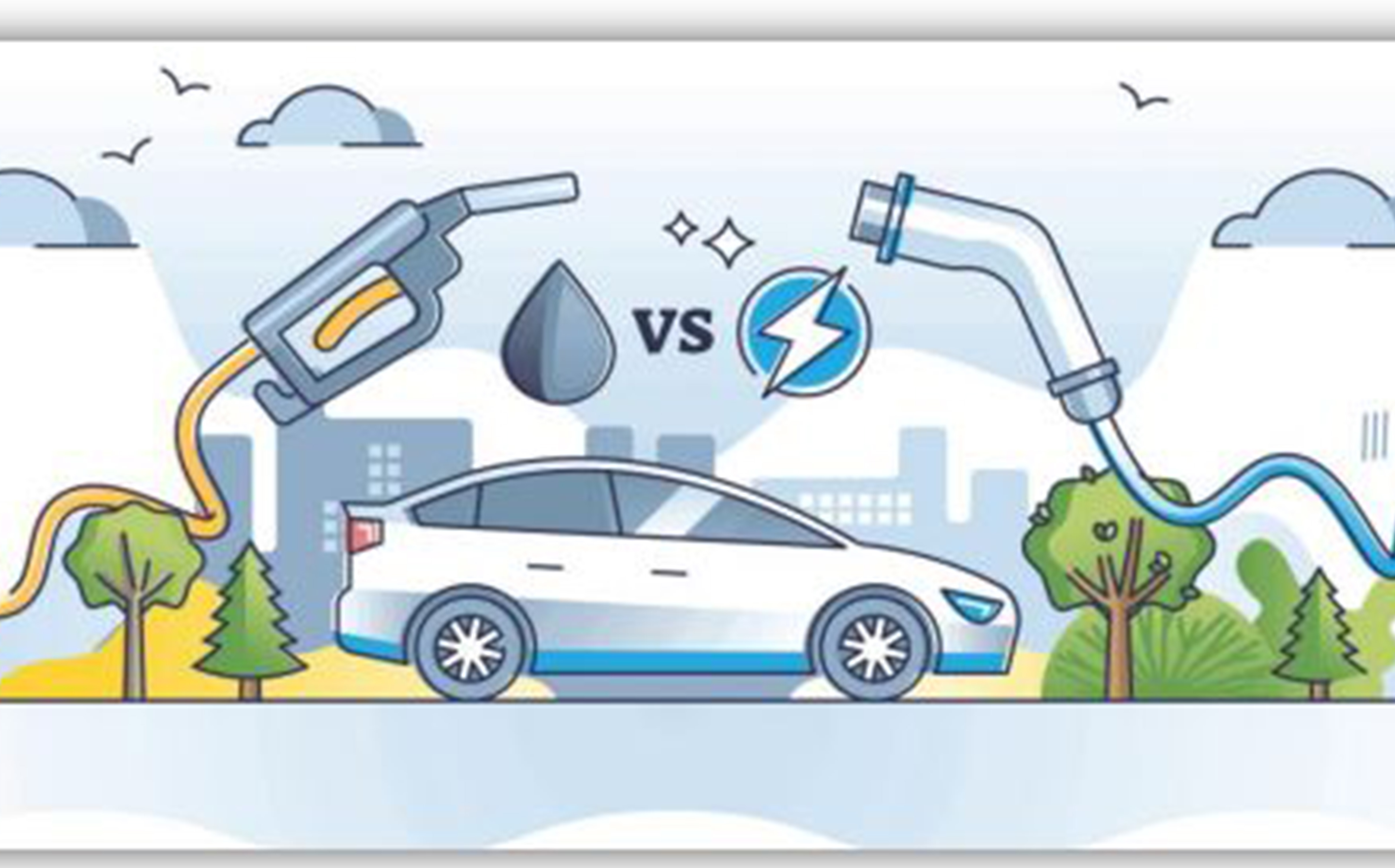
PETROL vs DIESEL vs ELECTRIC CARS
Which is more economical to own and run?
The decision between electric, diesel, and gasoline-powered vehicles has grown more difficult as newer models of electric vehicles (EVs) are introduced and the cost of fossil fuels rises. The long-term economic feasibility of these cars should be evaluated by looking at a number of aspects, including mileage, government incentives, cost of purchase and maintenance.
Petrol, diesel vs electric cars comparison : Initial Cost
Compared to diesel and electric vehicles, the cost of purchasing a petrol car is lower. In contrast to gasoline-powered vehicles, diesel vehicles are more costly initially, but electric vehicles are the most expensive. However, as technology develops, electric car costs are progressively coming down.
| Nexon Petrol (Base model) | Nexon Diesel (Base model) | Tata Nexon EV Prime | |
|---|---|---|---|
| Ex-Showroom Price | Rs 7.79 Lakh | Rs 9.99 Lakh | Rs 14.49 Lakh |
| On-Road Price (Delhi) | Rs 8.75 Lakh | Rs 11.40 Lakh | Rs 15.25 Lakh |
Thus, the electric vehicle (EV) costs over Rs 4 lakh more than the diesel version and Rs 6.50 lakh more than the petrol version.
Petrol, diesel vs electric cars comparison : Maintenance Expenses
Diesel cars frequently require more maintenance than petrol cars, mostly because of the complexity of their engines and emission control systems. As opposed to internal combustion engine vehicles, electric cars have fewer moving parts and require less upkeep, service, and oil changes.
Petrol, diesel vs electric cars comparison : Government Incentives
The Indian government has launched a number of programmes to support electric vehicles but does not offer incentives for petrol or diesel automobiles. EVs are eligible for purchasing incentives, tax breaks, and reduced GST rates.
| Nexon Petrol (Base model) | Nexon Diesel (Base model) | Nexon EV Prime | |
|---|---|---|---|
| Fuel Cost / litre (Delhi) | Petrol - Rs 97 | Diesel - Rs 90 | Peak tariff - Rs 8/kWh |
| Claimed mileage | 17.33 kmpl | 23.22 kmpl | 312 kms/charge |
| Annual running | 18,000 kms | 18,000 kms | 18,000 kms |
| Cost per kilometre | Rs 5.6 per km | Rs 3.9 per km | Rs 0.8 per km |
| Annual running cost | Rs 1,08,000 | Rs 70,200 | Rs 14,400 |
Regarding the base models for all three fuel types, Tata states that the 1.5-liter manual diesel engine and the 1.2-liter turbocharged petrol engine achieve 17.33 and 23.22 kilometres per litre, respectively. In contrast, the Nexon EV Prime can travel 312 kilometres on a full charge.
EFFICIENCY
While coal-fired power plants do not produce no emissions, data by Bloomberg NEF indicates that carbon dioxide emissions from battery-powered automobiles were approximately 40% lower last year than from internal combustion engines. Electric cars are dependent on the local electrical network for charging. This benefit will increase as generators move away from coal and use more electricity from wind and solar farms.
According to Bloomberg's investigation, although China, which relies more on coal, saw the largest increase in vehicle efficiency, EVs were still more efficient there. An electric vehicle's motor can convert coal-fired energy into power with an efficiency of about 85 to 90 percent.
What is an EV calculator?
You can determine how much money you will save by switching to an electric car using our EV calculator. To help you make an informed decision, it provides an estimate of the operating costs of an electric vehicle and a traditional Internal Combustion Engine (ICE)-based vehicle.
BATTERY EMISSIONS VS LIFETIME BENEFITS
Arguments regarding the emissions of EV batteries have also been brought up by the production process and the procurement of raw materials. According to a recent Science Direct study, the location of a battery's manufacturing has a significant influence on the emissions produced during this process, even though the pollution produced during the extraction and production of batteries is either the same or slightly higher than that produced during the manufacturing of petrol or diesel-powered engines.
"Recent studies that look at the whole life cycle of various vehicle types and their well-to-wheel data have shown that electric cars were found to have lower levels of greenhouse gas production even with fossil fuel-based electricity generation... Compared to identical ICE vehicles, EVs emit 40% less greenhouse gas emissions, even on Australia's coal-rich grid. In fact, according to their well-towheel estimates, an average gasoline vehicle needs 1.36kWh of energy to travel one km, whereas an average electric car uses just 0.28kWh of energy—nearly five times less energy."
CONCLUSION
The future is looking to be increasingly electric. More electricity grids are now moving towards increasing their renewable energy production, EVs are producing fewer emissions through their lifetime regardless of the energy source, and car manufactures are looking to produce more EV alternatives for the mass-market, with many carmakers announcing plans to bring electric versions of their vehicles to market in the next few years.